All Elite Wrestling once again found itself at the center of controversy this week after a loud and very clear chant from the live crowd went viral across social media. During Wednesday night’s episode of AEW Dynamite, fans inside the arena began chanting “F*ck ICE,” and the moment was picked up by broadcast microphones, spreading rapidly online within minutes.
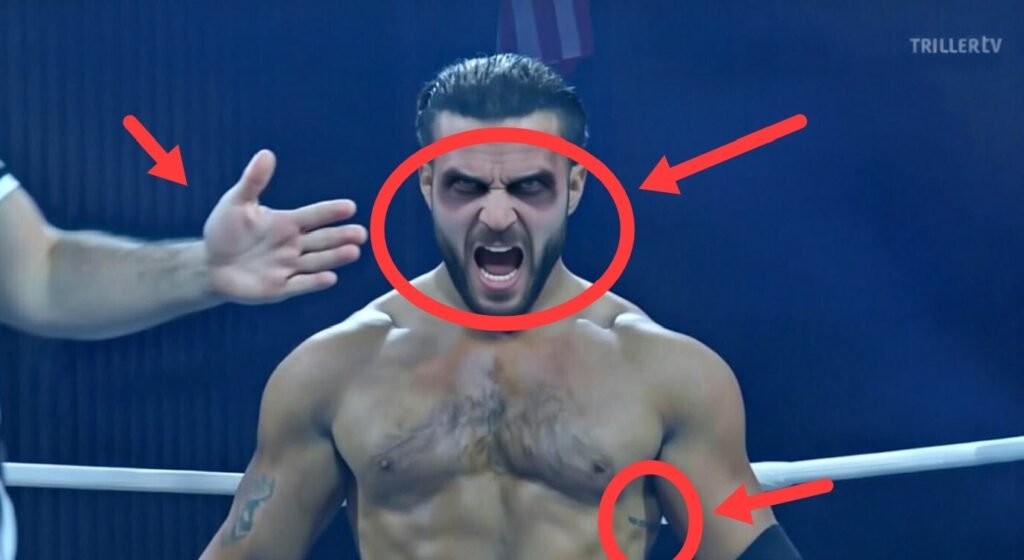
Shortly after the show, AEW star Maxwell Jacob Friedman — better known as MJF — addressed the situation in typical MJF fashion: blunt, unapologetic, and provocative.
Taking to social media, the former AEW World Champion stated that AEW does not “censor the fans,” contrasting the company’s presentation with what many fans view as the heavily filtered atmosphere of other wrestling promotions. According to MJF, the authenticity of the audience is part of what makes AEW feel real and unpredictable.
MJF has long built his persona around breaking the fourth wall and leaning into reality. Whether he’s insulting the crowd, praising them, or weaponizing their reactions, he thrives on genuine audience energy — even when it’s chaotic or controversial. His comments suggested that crowd expression, regardless of topic, is an organic part of live wrestling.
The chants themselves sparked debate across the wrestling community. Some viewers praised AEW for not muting or editing the crowd noise, arguing that live television should capture the real atmosphere of the arena. Others criticized the moment, saying wrestling programming should avoid politically charged messaging altogether.
AEW has not released an official corporate statement about the chants, and historically the company rarely addresses crowd reactions unless they disrupt the show. Instead, AEW often leans into its reputation as a fan-driven promotion where audiences feel like active participants rather than passive viewers.
This philosophy has been part of AEW’s identity since its launch in 2019. The promotion markets itself as an alternative — not only in wrestling style but also in presentation — allowing wrestlers more creative freedom and audiences more audible presence.
For MJF, the moment only reinforced his argument that wrestling works best when it feels unscripted. Love him or hate him, he understands that controversy fuels conversation — and conversation fuels attention.
As clips continue circulating online, the debate isn’t just about one chant anymore. It’s about what modern wrestling should be: tightly controlled entertainment, or a live spectacle shaped as much by the crowd as by the performers.
And if MJF has his way, the crowd will always have a microphone — whether people like what they say or not.
Posted inUncategorized
MJF says AEW doesn’t “censor the fans” following viral “F*ck ICE” chants on Dynamite.
Posted by
 No Comments
No Comments
Post navigation
Previous Post
 Stephanie Vaquer Makes a Stunning Debut on WWE Raw! 🔥