When Paul Heyman speaks about wrestling history, fans listen. The legendary advocate recently stirred debate by claiming that the Attitude Era was “wrongfully stolen” from Extreme Championship Wrestling years ago. According to Heyman, the revolutionary concepts that defined late-90s mainstream wrestling were born in ECW long before they became global sensations.
The Attitude Era is most commonly associated with World Wrestling Entertainment and its explosive boom period from 1997 to 2001. Edgy storylines, anti-heroes, gritty realism, and unpredictable television transformed WWE into a pop culture powerhouse. However, Heyman insists that many of those elements were pioneered in ECW’s bingo hall in Philadelphia.
During the mid-1990s, ECW built its identity on raw intensity and rebellious energy. Long before “attitude” became a corporate slogan, ECW was presenting morally complex characters, reality-based promos, and hardcore matches that blurred the line between fiction and truth. Performers were encouraged to speak from the heart rather than recite heavily scripted dialogue. Heyman argues that this authenticity is what later became the backbone of wrestling’s biggest boom period.
Stars like “Stone Cold” Steve Austin and Mick Foley sharpened their edge in ECW before achieving superstardom elsewhere. Even the concept of anti-establishment heroes challenging authority figures—so central to WWE’s late-90s programming—mirrored ECW’s defiant tone. Heyman believes the mainstream simply polished what ECW had already created.
Of course, WWE had the platform, television reach, and financial backing to amplify those ideas worldwide. The Monday Night Wars between WWE and WCW pushed the industry into uncharted territory, and WWE ultimately emerged victorious. But Heyman’s argument isn’t about who profited most—it’s about who innovated first.
Critics might say that wrestling evolves collectively and that no single company “owns” a creative movement. Still, it’s difficult to deny ECW’s influence on the style and presentation that defined that era. From gritty camera work to boundary-pushing storylines, the fingerprints of ECW were everywhere once the Attitude Era took off.
Heyman’s comments serve as both a history lesson and a reminder. ECW may not have had the resources to dominate globally, but its creative spirit undeniably changed the business. Whether “stolen” or simply adapted, the Attitude Era carries echoes of ECW’s revolution—proof that sometimes the loudest impact begins in the smallest arenas.
Posted inUncategorized
Paul Heyman says the Attitude Era was wrongfully stolen away from ECW years ago
Posted by
 By
No Comments
By
No Comments
By
No Comments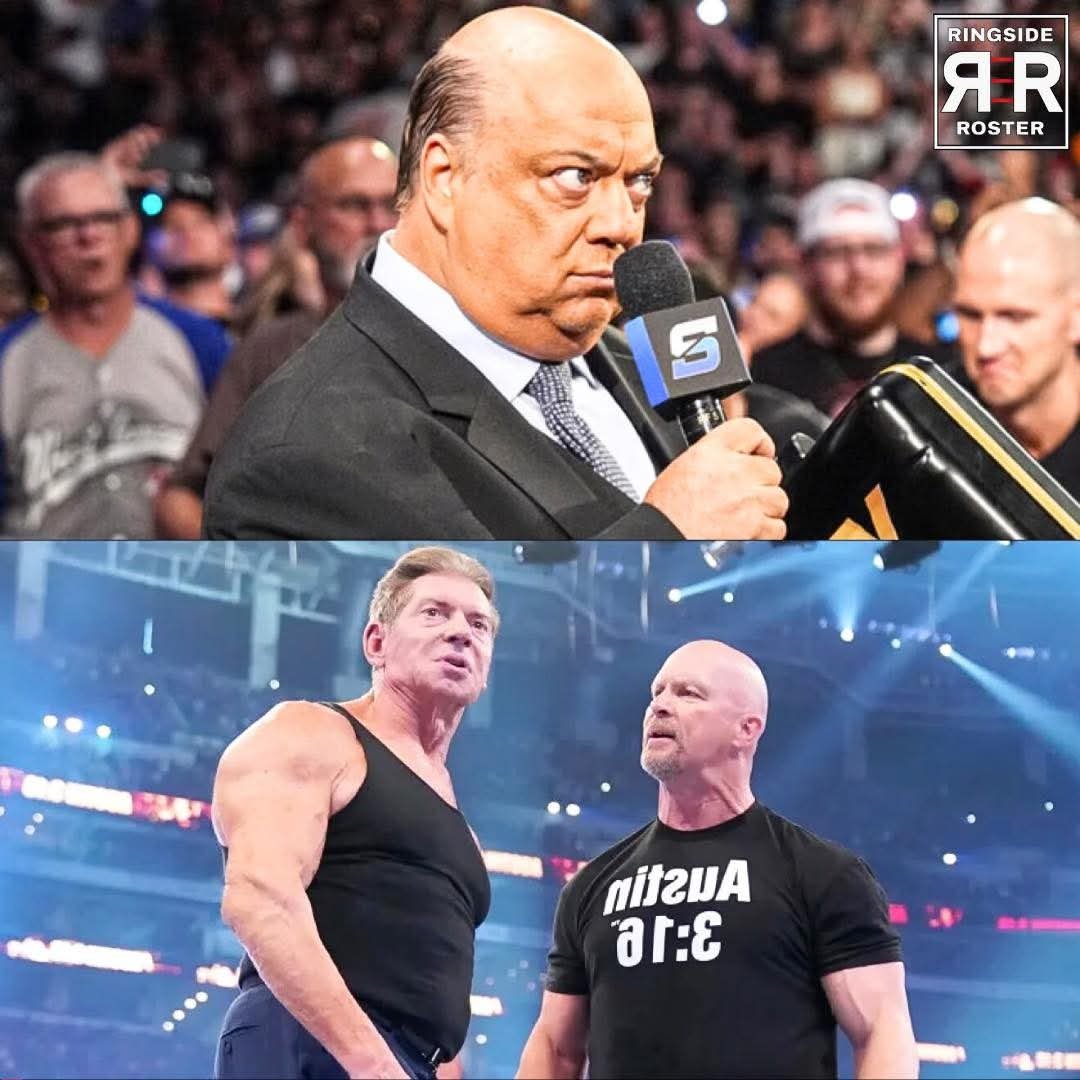

Post navigation
Previous Post
 Liv Morgan & Omos 😱😱😱